Table Of Contents
Frequency of Roof Inspections
Regular roof inspection is essential for maintaining the integrity of your home. Most roofing professionals recommend having a roof inspection at least once every year. Seasonal changes, particularly after severe weather events, can cause hidden damage that may go unnoticed without a thorough examination. Keeping a consistent schedule helps identify any issues early, allowing for timely repairs and extending the lifespan of your roof.
For those living in areas prone to extreme weather, such as heavy snow, strong winds, or relentless rain, more frequent roof inspections may be necessary. Homeowners should also consider scheduling a roof inspection after significant weather events, regardless of the timing of the last inspection. Ensuring your roof is in good condition not only safeguards your home but also provides peace of mind.
Recommended Timeframes for Different Roof Types
The recommended timeframe for roof inspections largely depends on the type of roofing material in place. Asphalt shingle roofs typically benefit from an inspection every three years, especially if they are nearing the end of their lifespan. Metal roofs can usually go longer between inspections, often requiring them only once every five years. However, conditions such as extreme weather may necessitate more frequent checks to ensure the integrity of the roof system.
Flat roofs require particular attention due to their unique drainage concerns. Homeowners should consider a roof inspection at least twice a year, ideally in the spring and fall. This regular check can help identify pooling water or debris buildup that may cause long-term damage. Additionally, slate or tile roofs, known for their durability, should still undergo inspections every five to seven years to catch any potential issues before they escalate.
What to Expect During a Roof Inspection
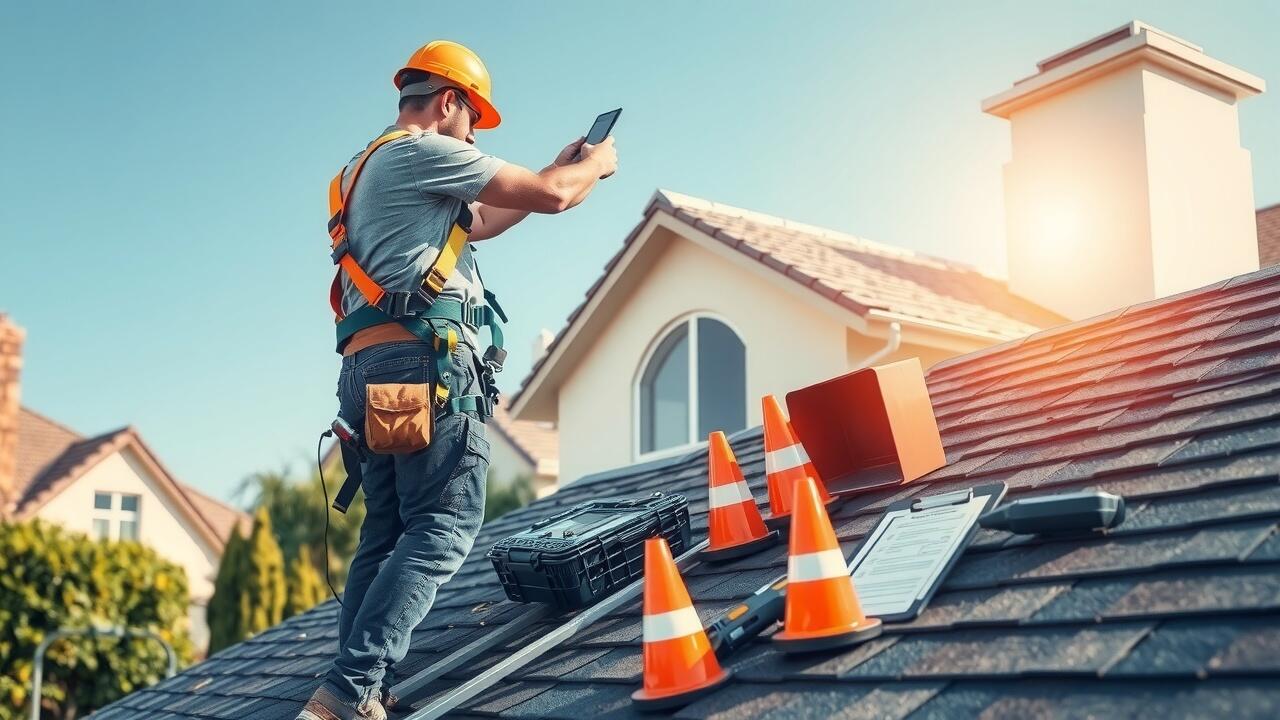
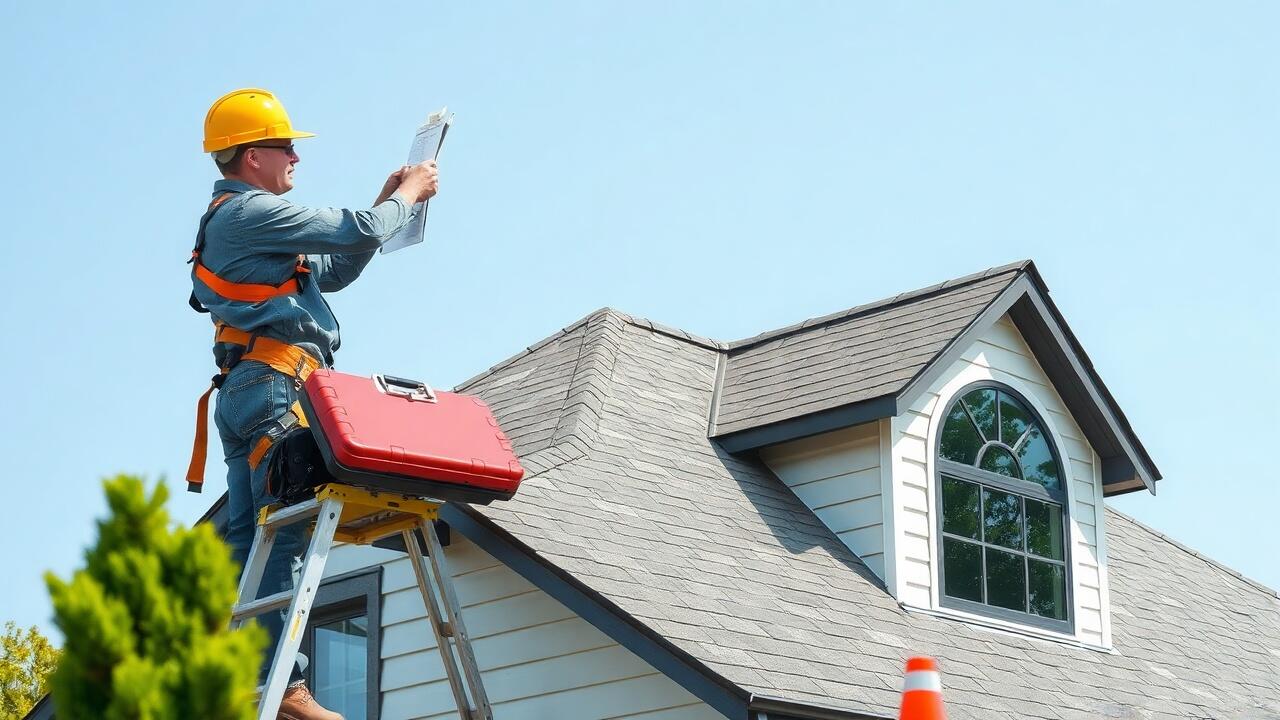
A roof inspection typically begins with the inspector assessing the exterior of the roof. This includes checking for missing, damaged, or curling shingles and examining the condition of flashing, gutters, and downspouts. The inspector may also look for signs of deterioration, such as algae or moss growth, which can indicate underlying problems that need addressing. Safety is paramount, so inspectors will take precautions when navigating rooftops to ensure a thorough yet secure evaluation.
Inside the home, a roof inspection involves inspecting the ceilings and walls for signs of leaks or water damage. Inspectors will check for any stains or discoloration, which can be indicators of potential issues. They often use tools to check for ventilation and insulation conditions in the attic as well. This comprehensive approach helps provide a detailed understanding of the roof's overall condition and any necessary repairs to ensure its longevity.
Common Procedures and Checkpoints
During a roof inspection, several key procedures are typically followed to assess the overall condition and identify any potential issues. Inspectors begin with a visual examination of the roof surface, looking for signs of damage such as missing shingles, cracks, or wear. They will also check the flashings, gutters, and drainage systems to ensure they are functioning properly. Inspection of roof penetrations, including vents and chimneys, is crucial to find any leaks or weaknesses that may compromise the roof’s integrity.
Additionally, inspectors often evaluate the attic space during a roof inspection to look for signs of moisture intrusion or improper ventilation. This includes checking insulation levels and searching for mold or rot, which can indicate underlying problems. By examining both the exterior and interior aspects of the roof, inspectors can provide a comprehensive report that highlights necessary repairs and maintenance, ensuring the longevity of the roof structure.
How to Choose a Reliable Inspector
When selecting a reliable inspector for your roof inspection, consider their credentials and certifications. Look for professionals who are licensed and insured, as this offers validation of their expertise and protects you from liability in case of accidents. Additionally, check if they have certifications from recognized industry organizations, as these often indicate a higher level of training and adherence to best practices.
Experience is another crucial factor to assess before hiring an inspector for your roof inspection. An inspector with several years in the field will likely have encountered a range of issues, enabling them to provide comprehensive evaluations. Reading reviews and testimonials from previous clients can also provide insight into their reliability and thoroughness. Trusting an experienced inspector can lead to a more accurate assessment of your roof's condition.
Credentials and Experience to Look For
When selecting a roof inspector, it's crucial to look for credentials that reflect both training and expertise in roof inspection. Many reputable inspectors will have certifications from recognized organizations, which indicates they have undergone rigorous training and adhere to industry standards. Additionally, membership in professional associations can demonstrate a commitment to ongoing education and staying updated with the latest practices in the field.
Experience is equally important when evaluating a roof inspector. An inspector with several years of hands-on experience will likely possess a comprehensive understanding of various roofing systems and common issues that arise. Checking references and reading reviews can provide insight into the inspector's reliability and thoroughness in conducting roof inspections. A qualified inspector should be able to explain their findings clearly and offer actionable recommendations based on their assessment.
FAQS
How much does a typical roof inspection report cost?
The cost of a typical roof inspection report can range from $150 to $500, depending on factors such as the complexity of the roof, its size, and the region where you live.
Are there additional fees associated with a roof inspection?
Yes, some inspectors may charge additional fees for services such as drone inspections, detailed reports, or follow-up visits, so it's important to discuss pricing upfront.
Is it worth paying for a roof inspection report?
Yes, paying for a roof inspection report can save you money in the long run by identifying potential issues early, helping to avoid costly repairs or replacements in the future.
How often should I get a roof inspection to avoid high costs?
It is generally recommended to have a roof inspection at least once a year, and after severe weather events, to catch any potential problems early and prevent more expensive repairs.
Can I get a free roof inspection report?
Some roofing companies may offer a free inspection as part of their services, but be cautious and ensure that you get a detailed and unbiased report if you choose this option.