Table Of Contents
Seasonal Challenges for Roofs
Seasonal changes bring unique challenges that can significantly impact a roof's condition. In the winter, snow and ice can accumulate, adding weight and potentially leading to structural damage or leaks. During the spring, heavy rains can cause water pooling and increase the risk of mold or rot, particularly in vulnerable areas such as valleys and gutters. Regular inspections during these transitions can help identify problems before they escalate and ensure that your roof remains intact through various weather conditions.
Roof maintenance plays a critical role in addressing these seasonal challenges. Many homeowners wait until noticeable issues arise, but proactive care can prevent costly repairs down the line. In the fall, clearing debris from gutters and inspecting for cracks or loose shingles can prepare a roof for winter's harsh conditions. Additionally, routine checks after severe weather events help catch any damage early, allowing for prompt action that protects the overall integrity of the roof.
How Weather Impacts Roof Integrity
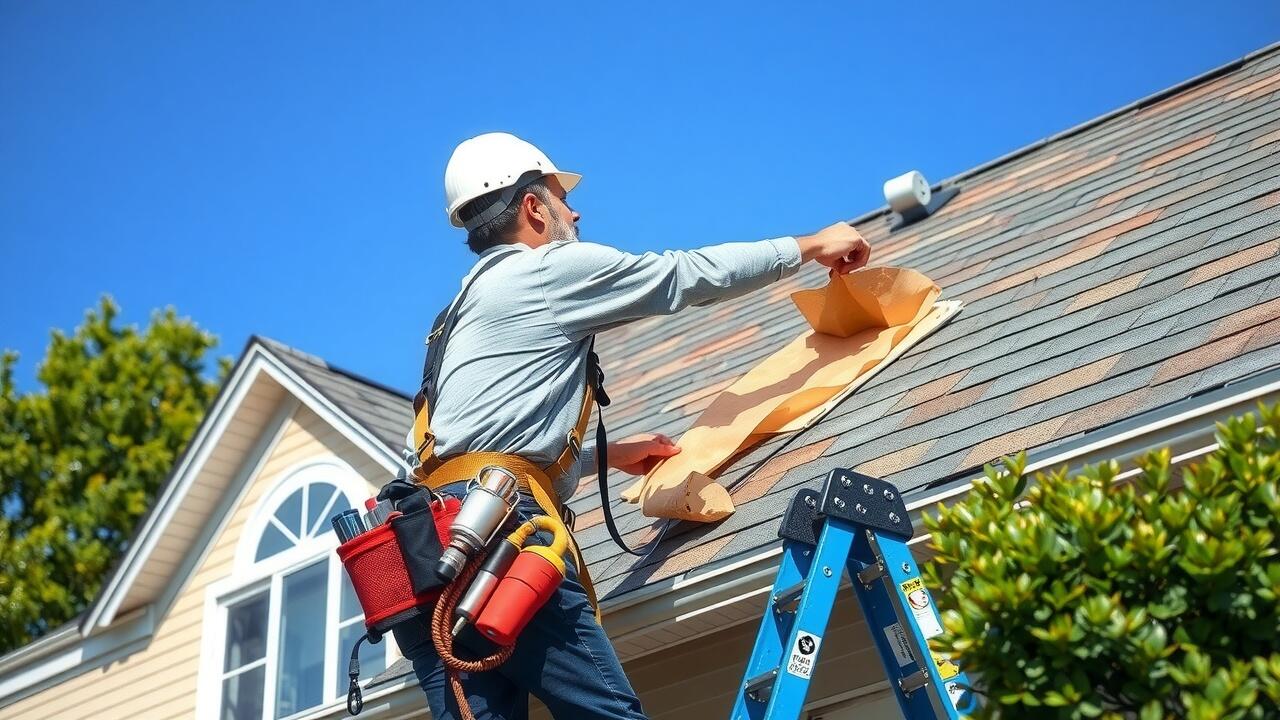
Weather plays a significant role in determining the lifespan and integrity of a roof. Rain, snow, and extreme temperatures can lead to wear and tear on roofing materials. Prolonged exposure to moisture can cause leaks and mold growth, while intense heat may lead to the deterioration of shingles. Regular inspection and prompt repairs are crucial to prevent these issues from escalating. Roof maintenance is essential, especially after heavy storms or significant temperature fluctuations.
Additionally, seasonal changes introduce unique challenges for roofing structures. During winter, heavy snow can accumulate, putting stress on the roof and potentially leading to structural damage. In contrast, summer storms might bring high winds that can dislodge shingles or cause debris to impact the roof’s surface. Consistent roof maintenance helps identify weak points and reinforces overall stability, ensuring that the roof can withstand the elements effectively over time.
The Role of Roof Type in Maintenance
The type of roofing material significantly influences the maintenance requirements for a roof. Asphalt shingles, for instance, typically need to be inspected and maintained regularly due to their susceptibility to weather-related damage. On the other hand, metal roofs are known for their durability and may require less frequent maintenance. Understanding the specific characteristics of each material allows homeowners to schedule the appropriate maintenance routine.
Roof maintenance practices vary based on these materials, with some requiring more frequent inspections and others only needing care every few years. Clay and concrete tiles can last longer but may need to be checked for cracks or dislodged tiles periodically. By recognizing the unique needs of their roofing type, homeowners can ensure their roofs remain in optimal condition, enhancing longevity and performance.
Differences in Care for Various Roofing Materials
Different roofing materials require tailored approaches to roof maintenance due to their unique properties and vulnerabilities. Asphalt shingles, for example, generally need more frequent inspections, especially after heavy storms. Keeping gutters clear of debris is crucial for preventing water pooling and potential leaks. Metal roofs may require less frequent maintenance, but regular checks for rust or signs of corrosion are essential to ensure longevity.
Tile roofs present their own challenges, often requiring careful handling during maintenance to avoid damage to the tiles. It is important to inspect for cracked or missing tiles, as these can lead to significant issues if left unaddressed. Flat roofs, on the other hand, necessitate checks for standing water and wear in seams. Each type of roofing material dictates a specific maintenance schedule that should be adhered to for optimal performance and durability.
Cost of Roof Maintenance
Roof maintenance can vary widely in cost depending on several factors, including the type of roofing material, local labor rates, and the extent of repairs needed. Regular inspections can help identify minor issues before they escalate, potentially saving homeowners from costly repairs later on. The frequency of maintenance tasks, such as cleaning gutters or replacing damaged shingles, also plays a significant role in overall expenses.
Budgeting for roof maintenance should include not only routine upkeep but also the possibility of unexpected repairs. Setting aside funds annually for this purpose can alleviate financial strain when urgent issues arise. Homeowners should consider creating a maintenance schedule that aligns with seasonal changes to ensure their roof remains in optimal condition throughout the year.
Budgeting for Regular Care and Repairs
Planning for roof maintenance is an essential aspect of homeownership. Routine inspections and minor repairs can prevent larger, costlier issues down the line. Setting aside a budget specifically for these expenses helps ensure that your roof remains in good condition. Homeowners should consider the average costs associated with inspection services, cleaning, and repairs dependent on the materials of their roof.
When budgeting, it is wise to be realistic about potential costs. Weather conditions and the age of the roof may affect how often maintenance is required. Different roofing materials can have varying price points for upkeep, so understanding the specific needs of your roof type will ensure adequate planning. Allocating funds for unexpected repairs is also critical, as early intervention can save significant money in the long run.
FAQS
How often should I perform maintenance on my roof?
It is generally recommended to inspect your roof at least twice a year, preferably in the spring and fall. Additional inspections may be necessary after severe weather events.
What are the common seasonal challenges that affect roofs?
Seasonal challenges can include heavy snow, ice, high winds, and intense heat. Each of these weather conditions can impact the integrity and lifespan of your roof.
Does the type of roofing material affect maintenance frequency?
Yes, different roofing materials have varying maintenance needs. For example, asphalt shingles may require less frequent maintenance than wood or metal roofs, which can be more susceptible to weather damage.
How can I budget for roof maintenance and repairs?
Establish a regular maintenance schedule and set aside funds for both routine upkeep and unexpected repairs. As a guideline, budgeting 1-3% of your home's value annually for roofing maintenance is a good practice.
What signs indicate that my roof may need immediate maintenance?
Signs that your roof may require immediate attention include missing or damaged shingles, water stains on interior ceilings, sagging areas, and visible wear or cracks in the roofing material.