Table Of Contents
Impact of Weather Conditions
New Jersey experiences a diverse range of weather conditions throughout the year, which can significantly impact roof longevity. The state's humid summers and cold winters create an environment conducive to the formation of ice dams, standing water, and sun damage. These elements can contribute to deterioration over time, particularly when combined with seasonal fluctuations in temperature. Understanding these challenges is crucial for homeowners looking to protect their investment.
Roof maintenance plays a vital role in mitigating the effects of harsh weather. Regular inspections and timely repairs help identify potential issues before they escalate, ensuring that roofs remain in good condition. Cleaning gutters and removing debris are simple yet effective ways to promote proper drainage and prevent problems associated with snow and rain accumulation. By staying proactive, homeowners can extend the life of their roofs despite New Jersey's unpredictable climate.
Effects of New Jersey's Climate on Roofs
New Jersey experiences a diverse range of weather conditions throughout the year, which can significantly affect the lifespan of roofs. The state faces hot summers, cold winters, and considerable precipitation. These fluctuating temperatures create stress on roofing materials. Ice dams can form during the winter months, leading to potential leaks and damage. Conversely, high humidity and summer storms can cause mold growth and accelerate wear and tear, making roof maintenance crucial for homeowners.
Another factor impacting roofs in New Jersey is the presence of strong winds, particularly during nor'easters. Wind damage can tear off shingles or compromise their integrity, resulting in leaks and further complications. The combination of these elements requires vigilant inspection and timely repairs. Regular roof maintenance helps homeowners address minor issues before they escalate, ensuring that their roofs can withstand the local climate’s challenges effectively.
Signs of Roof Aging
Aging roofs often display visible signs that indicate a need for evaluation. Homeowners may notice curling or missing shingles, which can compromise the roof’s integrity. Additionally, granule loss on asphalt shingles is a common issue that can lead to increased exposure to the elements. These signs not only affect the aesthetic appeal of a home but also signal potential leaks and water damage if left unaddressed.
Routine roof maintenance plays a critical role in identifying these issues early. Regular inspections help catch problems before they escalate into costly repairs. Homeowners should check for areas of sagging or stains on ceilings, as these can indicate water infiltration. Addressing these symptoms promptly can extend the life of the roof and enhance its performance against New Jersey's variable climate.
How to Identify When Your Roof Needs Attention
Identifying when your roof needs attention is crucial for preventing more significant issues down the line. Look for any missing or damaged shingles, as this can compromise the integrity of your roof. Additionally, check for granules accumulating in gutters, which indicate wear and tear. Inspect flashing around chimneys and vents for any issues, ensuring that they remain watertight and intact.
Roof maintenance plays a vital role in prolonging your roof's lifespan. Dark streaks or stains may signal algae growth, which, while not immediately detrimental, can lead to structural damage over time. It's also important to monitor for leaks in the attic or interior ceilings. If you notice any signs of water damage, it's advisable to take action promptly to avoid more extensive repairs.
Roof Maintenance Practices
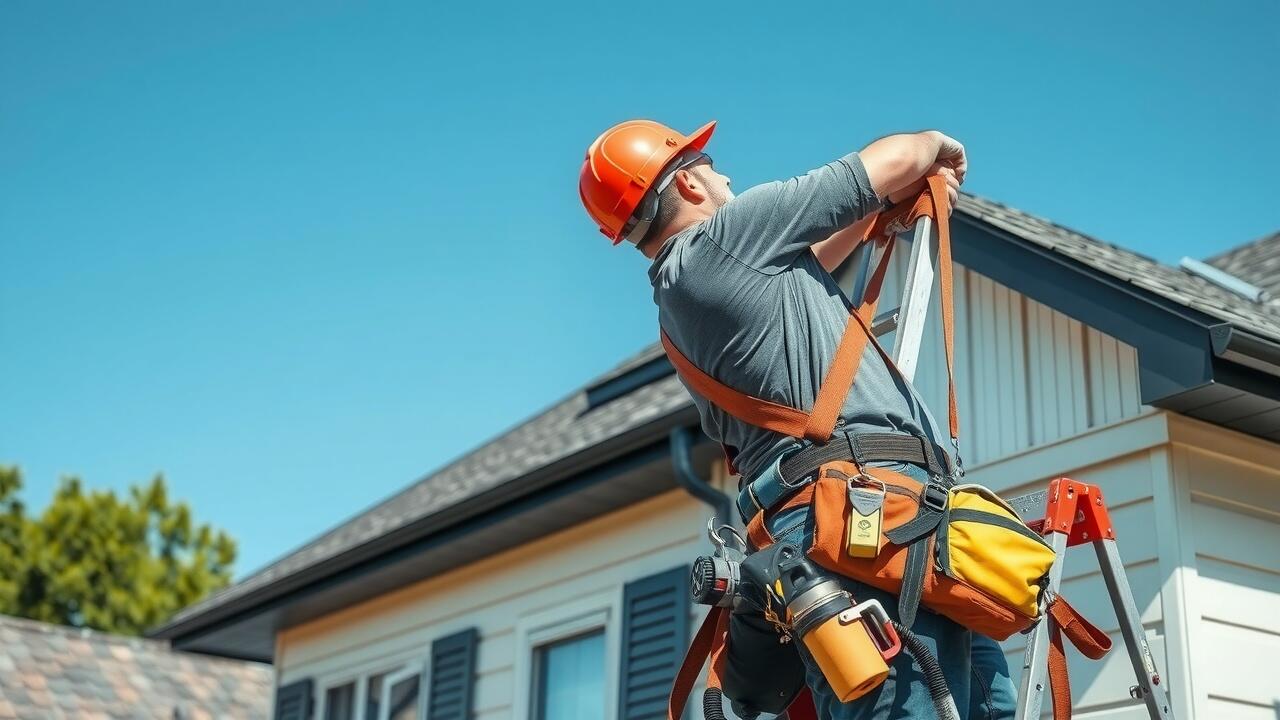
Regular roof maintenance is essential to extending the lifespan of your roof. Simple tasks such as cleaning gutters prevent water accumulation, which can lead to leaks and structural damage. Inspecting for missing or damaged shingles allows for timely repairs, minimizing further deterioration. It is also beneficial to trim overhanging branches that may scrape the roof surface or fall during storms.
In addition to these tasks, scheduling professional inspections can provide a comprehensive assessment of your roof's condition. Experts can identify underlying issues that may not be immediately visible. Roof maintenance services often include checking for signs of wear, such as curling shingles, and addressing them promptly. Establishing a maintenance routine can help homeowners avoid costly repairs down the line.
Essential Tips for Prolonging Roof Life
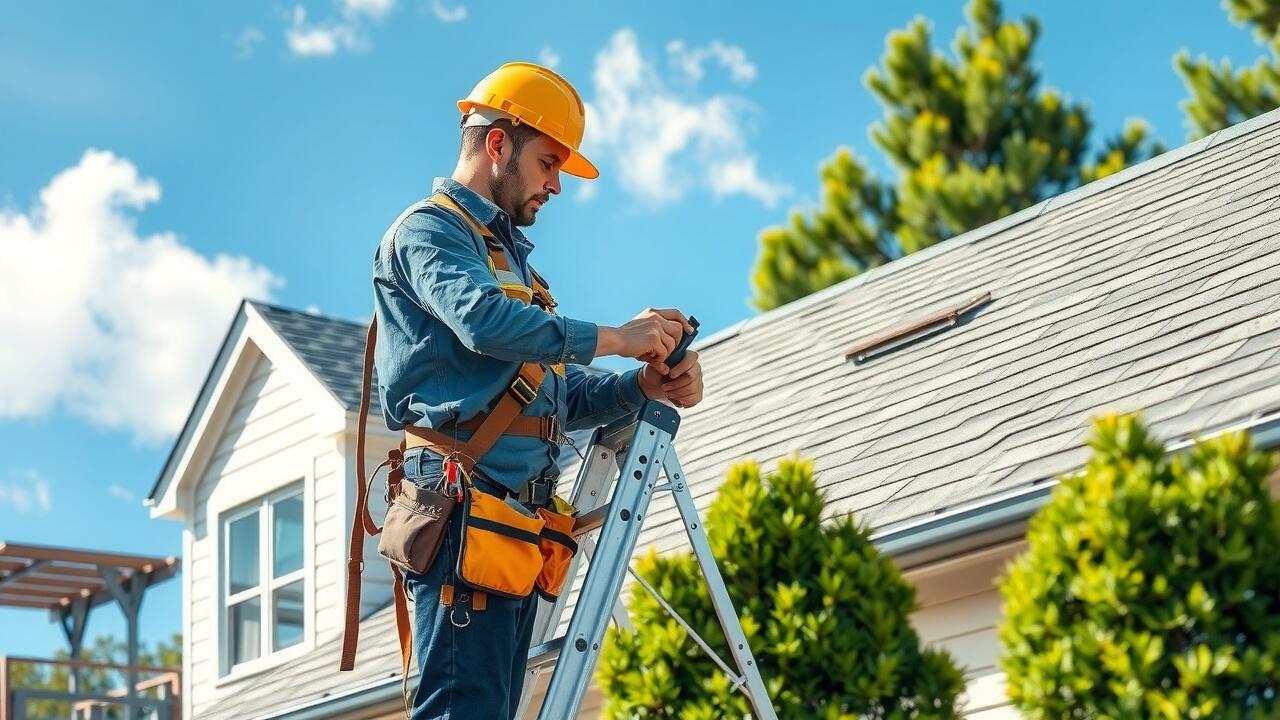
Regular inspections play a crucial role in prolonging the life of a roof. Homeowners should schedule professional evaluations at least once a year. Inspecting for damage after major storms is also important. This proactive approach helps catch potential issues early, preventing costly repairs down the line.
Roof maintenance is essential for enhancing durability. Keeping gutters clear ensures proper water drainage, reducing the risk of water damage. Removing debris from the roof surface prevents mold growth and protects roofing materials. Simple actions, like trimming overhanging branches, can minimize wear and tear, ensuring a longer lifespan for your roof.
FAQS
What is the average life expectancy of a roof in New Jersey?
The average life expectancy of a roof in New Jersey typically ranges from 15 to 30 years, depending on the roofing materials used and the maintenance practices followed.
How do weather conditions in New Jersey affect roof lifespan?
Weather conditions, including heavy snowfall, rain, humidity, and temperature fluctuations, can significantly impact a roof's lifespan, leading to quicker deterioration if not properly managed.
What are the common signs that my roof is aging?
Common signs of an aging roof include missing shingles, cracks, sagging areas, water stains on ceilings, and increased granule loss in gutters.
What maintenance practices can help prolong my roof's life?
Essential maintenance practices include regular inspections, cleaning gutters, removing debris, repairing minor damages promptly, and ensuring proper ventilation in the attic.
When should I consider replacing my roof instead of repairing it?
If your roof is nearing the end of its expected lifespan, has extensive damage, or if repairs are becoming frequent and costly, it may be more cost-effective to consider a full replacement.